
WikiPeru • The Encyclopedia of Peru



The AIgorythm project

Playwright and actor
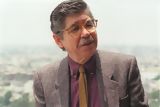
Novelist

Writer and poet

Volleyball player
Italian-Peruvian naturalist and geographer
Singer and percussionist
Last Inca emperor
Politician, former prime Minister
Journalist and TV host
Poet
Inca warrior

Actor and comedian
Biophysicist
Poet
Doctor and researcher

Businessman, Interbank group

Journalist and writer
Poet and writer
Singer and songwriter
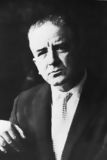
Writer
Film director, Berlin Golden Bear winner

Football player
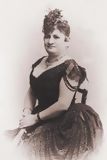
Writer and journalist
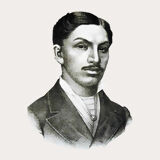
Doctor and scientist

Photograph
Chess player
Industrialist

Former general
Specialist in public health
Actress and singer

Afro-Peruvian music singer
Mathematician and engineer
Indigenous chronicler
Neurologist and anthropologist
Painter
Football player
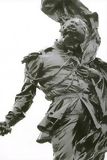
National hero, military leader
Intellectual and reformer

Chef and entrepreneur

Fashion designer

Singer-songwriter
TV presenter
Marathon runner
Indigenous Peruvian chronicler
Theologian
Former national team captain
Economist and former health minister
Inca princess
Writer and television host
Folk musician
Poet and guerrilla
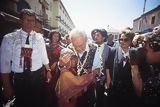
Former UN secretary-general
Chef, known for fusion cuisine
Football player
Peruvian aviation pioneer
Poet and artist
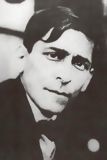
Marxist philosopher and writer
Industrialist and businessman
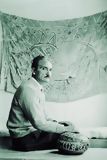
Novelist and ethnologist
Painter and muralist
Opera tenor
Fashion designer
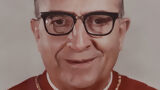
Cardinal of Lima
Peruvian tennis player
Football coach
Leader of the indigenous rebellion
Military hero

Latin singer
War of the Pacific hero
The youngest mother in history
Politician
Creole music singer
Tennis player
Musician
Writer and politician
Politician and founder of the Christian Democratic Party
Founder of Sodalitium Christianae Vitae
Archaeologist and anthropologist
Military leader and politician
Television host

Actress and singer

Contemporary sculptor

Women’s rights activist

Beauty queen
Astrophysicist
Heroine of independence

Mathematician and archaeologist
Historian and anthropologist
Military figure and historical figure

Fashion photographer
Writer, Nobel Prize in Literature, Politician
Revolutionary leader

Environmental activist
Leader of the indigenous rebellion

Musician from Gaia band
War hero
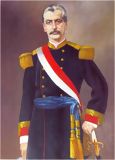
Military leader and politician
Chef, known for Nikkei cuisine
Volleyball coach and former player
Environmental activist
Television personality
Writer

Football player
Epidemiologist and former health Minister
Inventor and aerospace pioneer
Soldier and inventor

Rock singer
Chef and co-owner of Central restaurant
Painter
Football player
TV presenter and actress
Actor
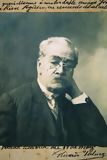
Writer and historian

Journalist and lawyer
Archaeologist, founder of Caral site
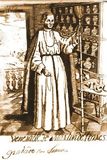
Monk and Saint
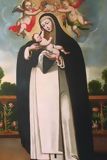
Saint, patron of Latin America
Physicist and engineer
World champion surfer
Actress
Oncologist

Singer, Latin Grammy winner
Former mayor of Lima

Singer
Actress
Former football player
Painter
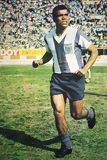
Former football player
Painter
Inca leader
Archbishop, saint
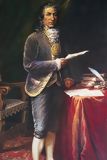
Leader of the indigenous rebellion
Revolutionary indigenous leader
Diplomat and intellectual
Sculptor and painter
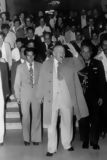
Political leader, founder of APRA
Lawyer and Former prime minister
Chef of Central restaurant

Former head of secret services
Popular singer

Fashion designer
Exotic music singer
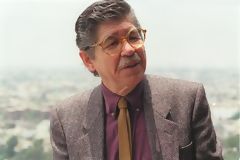
Alfredo Bryce Echenique, born on February 19, 1939, in Lima, is one of Peru's most renowned 20th-century writers. Known for his ironic and melancholic style, he is the author of several novels, short stories, and essays that explore themes such as exile, nostalgia, and the challenges of human communication. His work, often autobiographical, stands out for its emotional depth and humorous tone, which captures the essence of his characters and the contradictions of Peruvian society.
Coming from an aristocratic Lima family, Alfredo Bryce Echenique attended prestigious schools before moving abroad to pursue higher education. He studied literature and law in Spain and France, experiences that had a significant influence on his writing and worldview. His early literary works were published while he was living in Europe, far from his native Peru, a theme that frequently recurs in his writing.
The theme of exile is central to Bryce Echenique's writings. He often explores the condition of those who, like him, have left their country to live abroad while maintaining a deep sense of nostalgia for their roots. His most famous novel, A World for Julius (1970), tells the story of a young boy from Peru's upper class who gradually discovers the social inequalities surrounding him. The book quickly became a classic of Latin American literature, praised for its subtle critique of the Peruvian elite.
What sets Alfredo Bryce Echenique apart is his deeply human writing style, blending humor, irony, and a particular sense of melancholy. His characters, often misfits or outsiders, are marked by feelings of loneliness or isolation. The author excels at capturing the small tragedies of everyday life, while infusing his stories with a lightness that makes them enjoyable and accessible to readers.
Throughout his career, Bryce Echenique has received numerous prestigious literary awards, including the Planeta Prize in 2002 for his novel Tarzán's Tonsillitis. However, his career has not been without controversy. He was accused of plagiarism on several occasions during the 2000s, which tarnished his image in the eyes of both the public and critics. Despite these incidents, he remains one of the most respected figures in Latin American literature.
Alfredo Bryce Echenique continues to be a key reference for Spanish-speaking writers and readers. His works, translated into many languages, explore the complexities of human life with rare insight and sensitivity. Although the plagiarism accusations have cast a shadow over his career, his contributions to world literature remain invaluable, and his books continue to be read and studied across the globe.
Through his tales filled with exile and nostalgia, Bryce Echenique captures the essence of Peruvian society, with its contradictions, internal struggles, and aspirations. He is one of the most prolific authors to have so precisely represented the tensions between modernity and tradition in Peru, while creating universal characters that readers around the world can relate to.
Alfredo Bryce Echenique remains an iconic author, and his work continues to inspire generations of readers and writers, both in Peru and beyond its borders.